






Uranium Traces Found in Breastmilk of Bihar Mothers; Experts Say Breastfeeding Should Continue
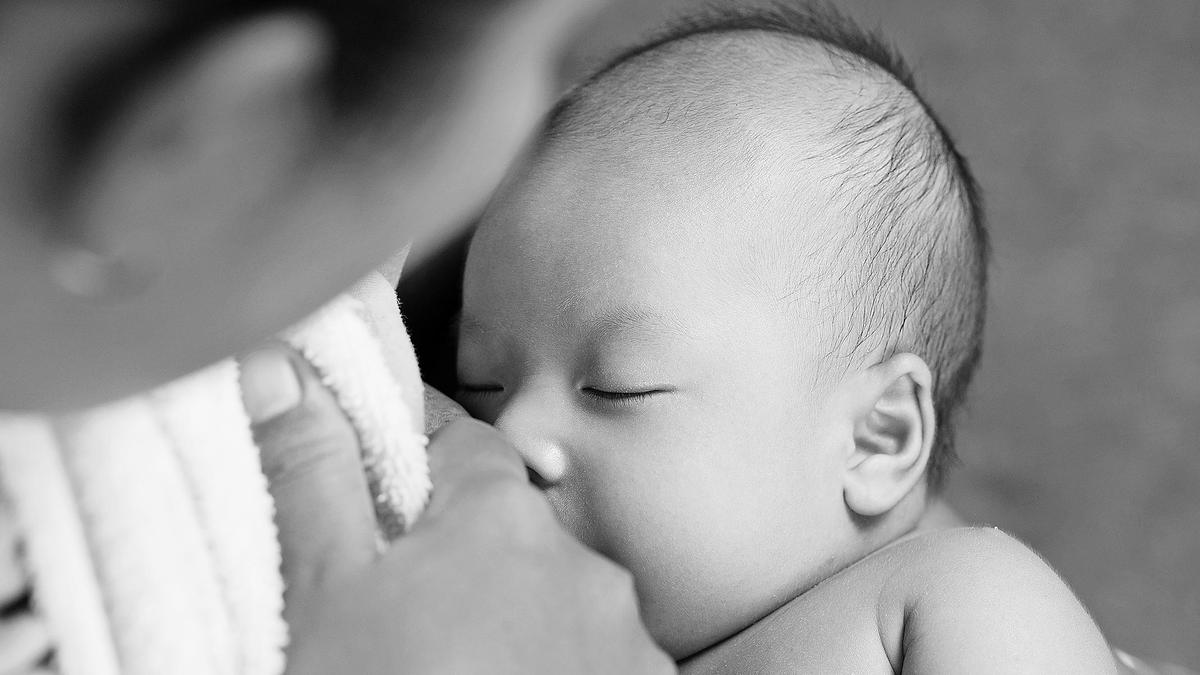
A new study has raised eyebrows in Bihar after researchers detected traces of uranium (U-238) in the breastmilk of lactating mothers across several districts. The findings, though concerning at first glance, come with an important reassurance from scientists: the levels observed are low enough that they are unlikely to cause immediate harm, and breastfeeding should continue as usual.
The study, carried out by researchers from multiple institutions, examined breastmilk samples from 40 lactating women. Every sample tested positive for uranium, with the highest average levels reported in Khagaria and the highest single reading observed in Katihar.
What the Researchers Found
Speaking to ANI, Dr. Ashok Sharma of AIIMS Delhi, one of the study’s co-authors, explained that uranium levels in the breastmilk samples ranged from 0 to 5.25 µg/L. Although risk analysis showed that around 70% of infants appeared to fall into a category where non-carcinogenic health effects could develop with prolonged exposure (Hazard Quotient > 1), he stressed that the actual impact is expected to be limited.
According to Dr. Sharma, most uranium taken into the body is flushed out through the urine. Only a very small portion ends up in breastmilk.
“These concentrations are below the generally accepted permissible limits,” he said. “Breastfeeding should not be interrupted unless a doctor advises otherwise. It remains the most beneficial form of nutrition for infants.”
What This Could Mean for Infant Health
Uranium exposure, particularly in early life, is associated with potential risks such as:
- Delayed neurological development
- Possible impact on kidney function
- Reduced cognitive outcomes over long-term exposure
Because infants cannot easily eliminate uranium from their bodies, any exposure—even low-level—warrants close monitoring.
However, the study strongly emphasizes that no immediate harm is expected based on the concentrations detected.
Why Uranium Shows Up in Groundwater
Uranium is naturally present in many rock formations, especially granite. Over time, it can seep into groundwater. Human activities—mining, coal combustion, emissions from nuclear facilities, and the heavy use of phosphate fertilizers—can increase its spread.
Bihar is not alone. Uranium contamination in groundwater has been documented in 151 districts across 18 Indian States, though Bihar’s affected share is relatively small at around 1.7% of groundwater sources.
A Global Issue, Not Just India’s
Countries including Canada, the United States, Finland, Sweden, Switzerland, Bangladesh, China, and Pakistan have all reported elevated uranium levels in groundwater. Yet, clear clinical symptoms in affected populations have not consistently shown up, which makes environmental monitoring essential for understanding real-world risk.
More Studies on the Way
The research team plans to examine other heavy metals and pollutants—including pesticides—in future studies.
Dr. Sharma noted that earlier investigations by the same group had found arsenic, lead, and mercury in breastmilk. The current study focuses purely on uranium, but the team believes a broader picture of environmental contaminants is needed to understand the overall risks faced by infants.
“We are now examining heavy metals in other States as well. This kind of biomonitoring is urgently needed,” he said.
Bottom Line
The presence of uranium in breastmilk should not be ignored, and Bihar’s groundwater and environmental conditions clearly need more attention. But based on the concentrations observed so far, the study suggests that the actual health risk to infants is likely low.
The researchers’ message to mothers is clear:
breastfeeding remains safe, beneficial, and strongly recommended unless a medical professional advises otherwise.