





1. Election Snapshot & Key Dates
- The Bihar polls will be held over two phases:
- Phase 1: 6 November 2025 (121 seats) mint+2India Today+2
- Phase 2: 11 November 2025 (remaining seats) Wikipedia+1
- Counting of votes scheduled for 14 November 2025. Wikipedia
- The 243-seat assembly requires a majority of 122 seats to form government. The Economic Times+1
2. Historic Turnout, But What Does It Signal?
The first phase recorded a voter turnout of 64.66%, the highest ever for Bihar. mint+1
Why this matters:
- Historically, when turnout jumps significantly (in this case ~8.5 percentage points from previous) it often signals a desire for change. India Today
- High turnout boosts the legitimacy of the election but also raises questions about which segments of society mobilised and who stayed back.
- Observers note voter concerns around unemployment, migration, and distrust in electoral rolls may have driven the surge. Reuters+1
3. Major Contesting Alliances & Their Stakes
National Democratic Alliance (NDA)
Led by Nitish Kumar (JD(U)) in Bihar, along with Bharatiya Janata Party (BJP).
Strengths: Strong governance narrative (free electricity, water, job promises) and organisational network. The Economic Times
Weaknesses: Long incumbency may fuel anti-incumbency; perception of upper-caste dominance limits appeal. The Economic Times
INDIA Bloc / Mahagathbandhan (Opposition)
Includes Rashtriya Janata Dal (RJD), Indian National Congress, left allies and regional parties.
Objective: Exploit public fatigue, raise issues of joblessness, corruption, caste disadvantage.
For Congress especially, this election is about re-establishing relevance in the state. The Economic Times
4. Caste, Demographics & Electoral Arithmetic
Bihar’s social makeup remains a key determinant:
- Extremely Backward Classes (EBCs): ~36% of population. Outlook India
- Other Backward Classes (OBCs): ~27%
- Scheduled Castes (SCs): ~19.6%
- Scheduled Tribes (STs): ~1.7%
- General / Forward castes: ~15.5%
Because combined EBC + OBC share exceeds 60%, parties are intensely focused on these blocks. Outlook India
Also, migration (men leaving for work) means women voters and first-time voters assume more significance. Reuters
5. Key Issues Influencing the Poll
Employment & Migration
Youth unemployment remains a concern – 9.9% in age group 15-29. Reuters
Large numbers annually migrate out of Bihar for work, making job creation and local employment critical.
Electoral Rolls & Trust in Processes
Recent revisions of voter lists resulted in ~3.7 lakh electors declared ineligible. The Times of India
Opposition parties have flagged concerns of disenfranchisement among vulnerable groups. AP News
Anti-Incumbency vs Development
While NDA touts infrastructure and welfare, critics say decades of rule haven’t delivered for large sections.
High turnout could reflect desire for governance refresh. India Today
Alliance Dynamics & Seat Sharing
Seat distribution remains a headache for both major blocs: minor allies feel squeezed. India Today
Ticket allocation controversies expose deep strategic challenges. NDTV Profit
6. The Rhetoric & Charges In The Campaign
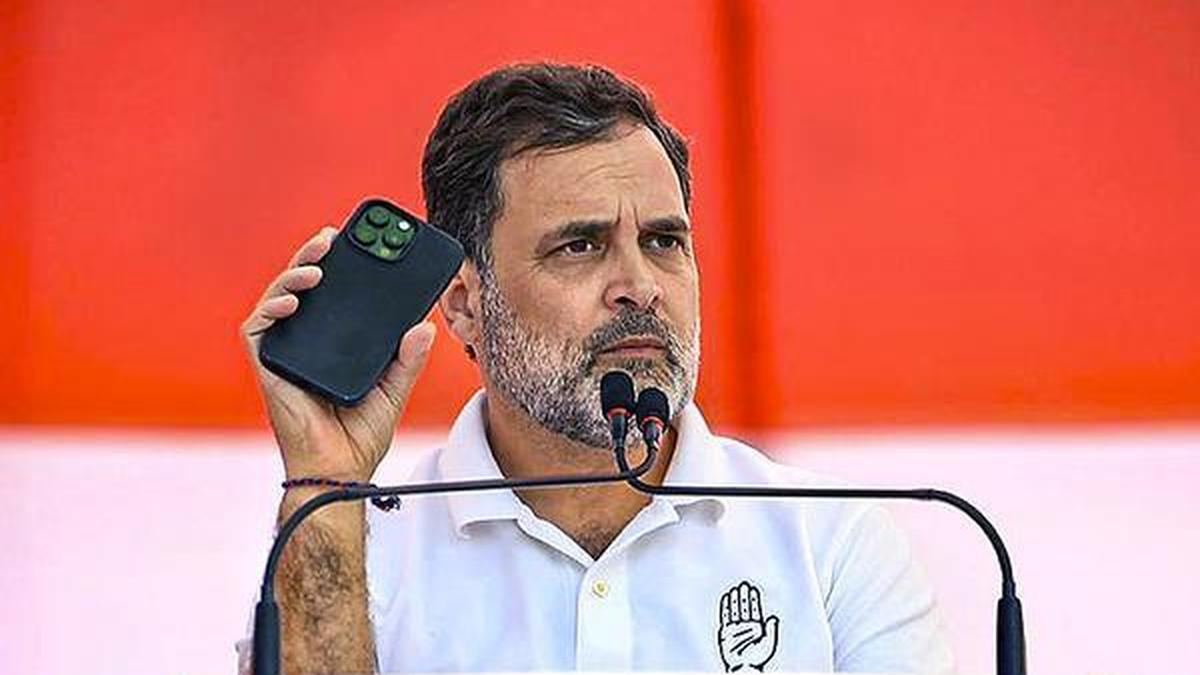
- Rahul Gandhi accused Prime Minister Modi and Amit Shah of indulging in “vote chori” (vote-theft).
- Amit Shah responded with strong rhetoric: “If terrorists fire a bullet, we’ll answer with a shell.”
- Development vs ‘Jungle Raj’ narrative invoked repeatedly by both sides.
This high emotion underscores that the election is about more than seats — it’s about perception, narrative and symbolism.
7. What to Watch in Phase-2 & Beyond
- Phase-2 Voting (11 Nov): Turnout will matter just as much as Phase-1.
- Counting & Results (14 Nov): Who crosses the 122-seat threshold? Will there be surprises?
- Post-Result Scenarios:
- If the incumbent wins: What will be promised for next 5 years?
- If opposition wins: How quickly can it deliver, given expectations?
- Smaller Parties & New Entrants: Their performance could tilt tight contests.
- Youth & Women Voters: How did they vote and will the winning side deliver to them?
8. Implications for Bihar & India
- A loss for NDA in Bihar would be a major blow to the national narrative of “double-engine government”.
- For the opposition, a victory here could reset alliance strength ahead of broader national elections.
- For Bihar’s citizens: The outcome will determine which promises get acted on — infrastructure, jobs, welfare, caste-justice.
- For democracy in India: High turnout and peaceful polls reinforce faith — but doubts around rolls and process show trust remains fragile.
9. Final Thoughts
The 2025 Bihar Assembly election is shaping up to be more than just a state poll — it is a litmus test for narratives, alliances and governance models. With a record turnout, high stakes, and intense campaign warfare, the verdict of voters will reverberate beyond Patna.
Whether one side claims mandate or the other engineers an upset, what remains clear is that citizens expect more than slogans. They expect delivery, transparency, and empowerment.
The next few days will tell whether the mood for change turns into governance change — and whether Bihar enters a new chapter, or double-engine continues on its current track.