






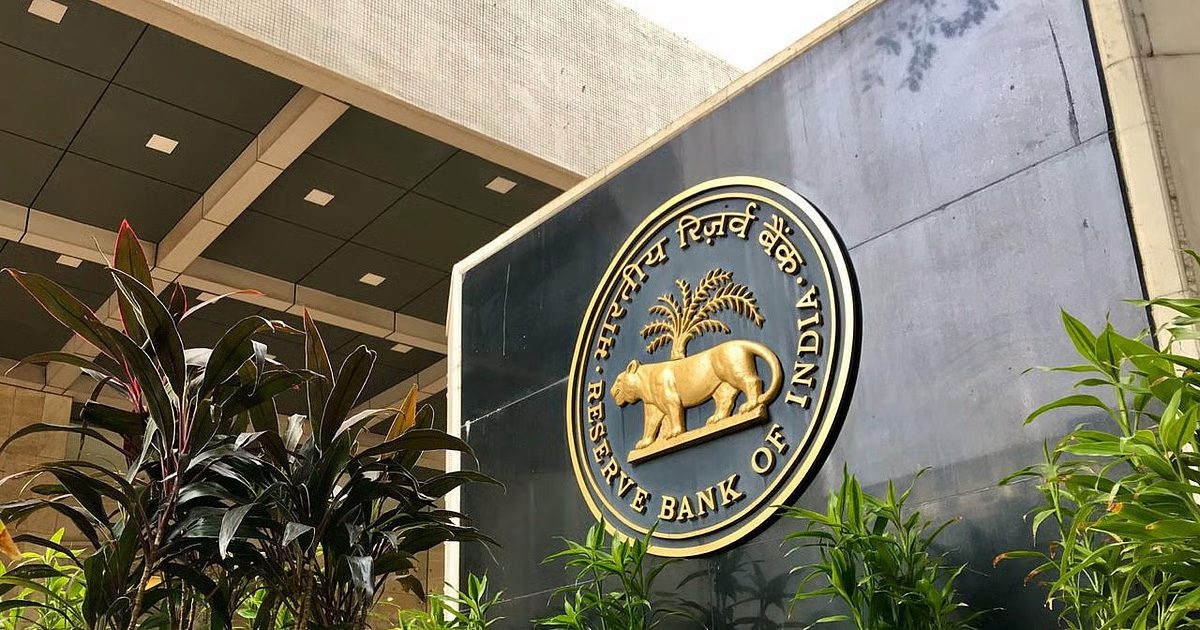
India’s foreign exchange reserves fell $6.93 billion to $695.36 billion during the week ending October 24, marking the biggest weekly decline in 12 weeks as the Reserve Bank of India intensified dollar sales to defend the rupee amid mounting pressure from Federal Reserve policy signals.
The decline pulled India’s forex buffer below the $700 billion mark after reaching a record high of $702.28 billion just a week earlier. Foreign currency assets decreased $3.86 billion to $566.55 billion, while gold reserves dropped $3.01 billion to $105.54 billion, reflecting both active central bank intervention and global market volatility.
Central Bank Dollar Defense Intensifies
The substantial reserve drawdown signals aggressive intervention by the RBI as the rupee approached its record low of 88.80 per dollar. The central bank sold heavy volumes of dollars through state-owned banks to counter speculative demand and importer purchases, with traders noting intervention around the 88.40 level.
“The RBI’s USD-selling intervention has given importers better levels to buy USDs, which also suggests limits to USD/INR downside,” Barclays noted, highlighting how the central bank’s actions created opportunities for corporate dollar purchases while defending key currency levels. The rupee recovered from near-record lows to trade around 88.69 by week’s end, though it remains under pressure from Federal Reserve Chair Jerome Powell’s hawkish signals that reduced expectations for December rate cuts
Despite the weekly decline in gold reserve values, the RBI has accelerated efforts to bring physical gold holdings back to India, repatriating nearly 64 tonnes during the first half of fiscal 2025. The central bank now holds 575.8 tonnes domestically out of total reserves of 880.8 tonnes, with 290.3 tonnes remaining at the Bank of England and Bank for International Settlements.
This repatriation strategy, which has brought 274 tonnes home since March 2023, reflects growing caution about storing sovereign assets abroad following Western nations’ freezing of Russian and Afghan reserves. India’s gold share in forex reserves has climbed to nearly 15%, the highest since 1996-97, as part of a broader diversification away from dollar-dominated assets.
The move aligns with global central bank trends, as institutions worldwide added 166 tonnes to official reserves in the first half of 2025, driven by desires to reduce dollar dependency and hedge against geopolitical risks. China, Russia, Turkey, and Poland have similarly expanded gold holdings as part of de-dollarization strategies.