






1. The Situation at a Glance
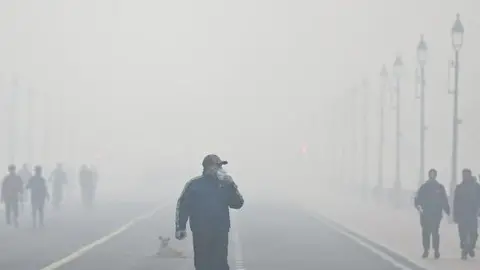
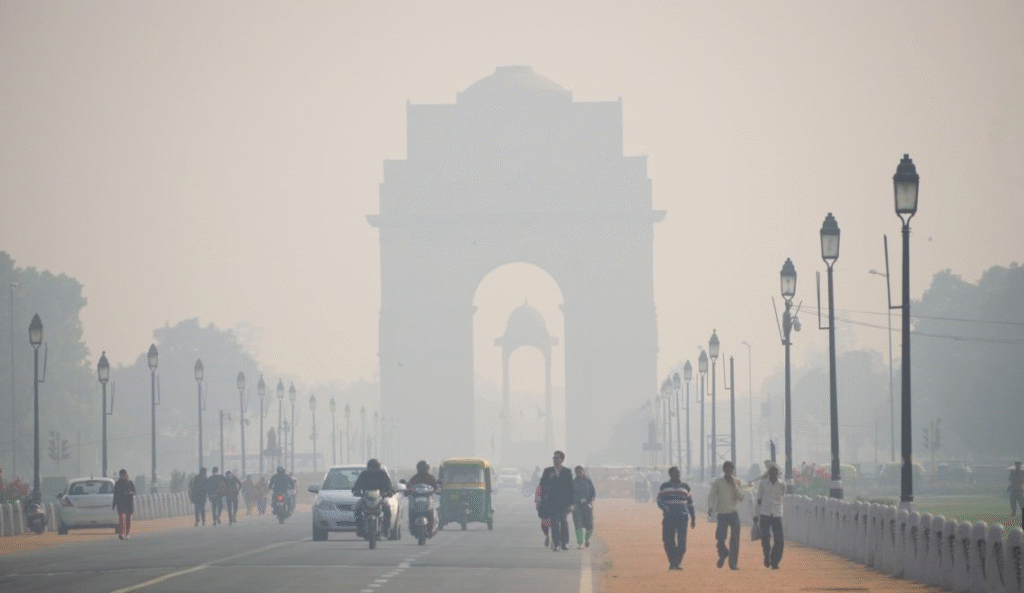
- The current 24-hour Air Quality Index (AQI) in the New Delhi area is around 335, placing it firmly in the “Very Poor” category (301-400). The Economic Times+2NDTV Profit+2
- Multiple monitoring stations across the city are reporting values above 320: e.g., Ashok Vihar ~350, RK Puram ~321, etc. The Economic Times+1
- Meteorological factors such as low wind speed, cooler night temperatures, and stable atmosphere are exacerbating the pollution accumulation. Down To Earth
- Historically, Delhi’s winter smog episodes correspond with high PQ (particle matter) loads, agricultural burn-off in neighbouring states, vehicle & dust emissions. The Guardian+1
What “Very Poor” means: According to the Central Pollution Control Board (CPCB) scale:
- 0-50: Good
- 51-100: Satisfactory
- 101-200: Moderate
- 201-300: Poor
- 301-400: Very Poor (this is where we are now)
- 401-500+: Severe to Severe-Plus NDTV Profit+1
2. Why This Matters & Who’s at Risk
✅ Health Impacts
- Exposure to high AQI levels (especially PM2.5 & PM10) can trigger or worsen respiratory issues: asthma, bronchitis, COPD.
- Cardiovascular strain: high pollution can raise blood pressure, contribute to heart disease.
- Vulnerable groups: children, elderly, pregnant women, people with pre-existing health conditions.
- Reduced visibility & quality of life: smog, dusty air, sense of heaviness when breathing.
⚠️ Wider Consequences
- Outdoor activity is hazardous: sports, exercise, even casual walks become risky.
- Schools, workplaces may see attendance drops; productivity impacts.
- Infrastructure & environment: sunlight filtered, long-term pollution build-up leads to ecosystem stress.
- Public health costs: prolonged exposure means higher healthcare burden.
3. What’s Causing This Rise Now?
Key contributing factors for the current spike:
- Agricultural stubble burning in neighbouring states (Punjab & Haryana) sending smoke plumes into the NCR region. The Guardian+1
- Vehicular & construction dust emissions within Delhi adding to the PM load.
- Favourable meteorology: low wind, cooler nights, stable air mass trap pollutants near surface. Down To Earth+1
- Seasonal factors: As winter sets in, inversion layers, less dispersion, higher pollution persistence.
- Festive & fire-cracker contribution (around Diwali) in some years but even without that the baseline remains high. The Guardian+1
4. Immediate Actions You Can Take
At Home & Outdoors
- Stay indoors as much as possible when AQI is in the red zone.
- Use good quality N95 / KN95 masks if you must step outside.
- Avoid outdoor exercise, running, cycling until air quality improves.
- Keep windows closed, use air-purifier if you have one (check filter status).
- If you have respiratory or heart issues: follow doctor’s advice, avoid triggers.
- Drink plenty of water, maintain humidity indoors (dry air with pollutants worsens irritation).
Community / Local Level
- Car-pool, use public transport, avoid idling vehicles.
- Minimise open burning of waste, leaves, etc.
- Support planting of green cover, lesser dust-emitting construction practices.
- Encourage neighbours/friends to monitor AQI and modify behaviour accordingly.
5. What to Watch for in the Coming Days
- Forecasts: The Indian Meteorological Department (IMD) may issue advisories for pollution peaks if winds stay low.
- GRAP triggers: Under the Graded Response Action Plan (GRAP) for Delhi-NCR, certain restrictions (truck bans, construction halt, fire-cracker curbs) may be enforced when AQI crosses thresholds. Down To Earth+1
- Localised hotspots: Some areas may be worse than city average; always check local station data.
- Post-event spikes: Large festivals, fire-cracker days, or burning events can cause sudden jumps—stay alert.
6. Looking at Longer-Term Trends
- Positive note: For Jan-Oct 2025, Delhi recorded its best average AQI in eight years (170) and had no “Severe” or “Severe+” days up to Oct. The Times of India
- However: The winter season still looms large for risk of high pollution days—so improvement in longer term doesn’t eliminate short-term spikes.
- Air quality management remains a long game: reductions in vehicular/dust emissions, regional agricultural policies, weather intervention (e.g., cloud-seeding) are part of the picture.